
From spreadsheets to a system your team trusts
Nobody outgrows spreadsheets in a day. Here is how the move usually goes, and how to make the switch without the chaos.
Abhilash Purohit
20 June 2026 · 3 min read
Nobody sets out to run a business on seventeen spreadsheets. It happens one file at a time, and by the time it hurts, the files are holding the whole business up.
Most owners we meet are not looking for software. They are looking for a straight answer to a simple question, on the day they ask it: what is my real stock, who owes me money, and did that order actually go out. When the answer is always “let me check and call you back”, the spreadsheets have quietly stopped working.
The day spreadsheets stop working
For a while, a set of Excel files is the fastest thing going. One person keeps stock, another keeps payments, orders come in over WhatsApp, and everyone knows who to ask. The trouble starts when the business grows past the point where one person can hold it all in their head.
Two people update the same file and overwrite each other. A number on the screen no longer matches what is on the racks. Month-end turns into a week of matching sheets and settling arguments about what was sent and what was paid.
What a system actually changes
A real system does one thing spreadsheets never will: it keeps one version of the truth that everyone works from. Stock updates as goods move. Outstanding updates as payments come in. The person at the counter sees the same number as the owner at home.
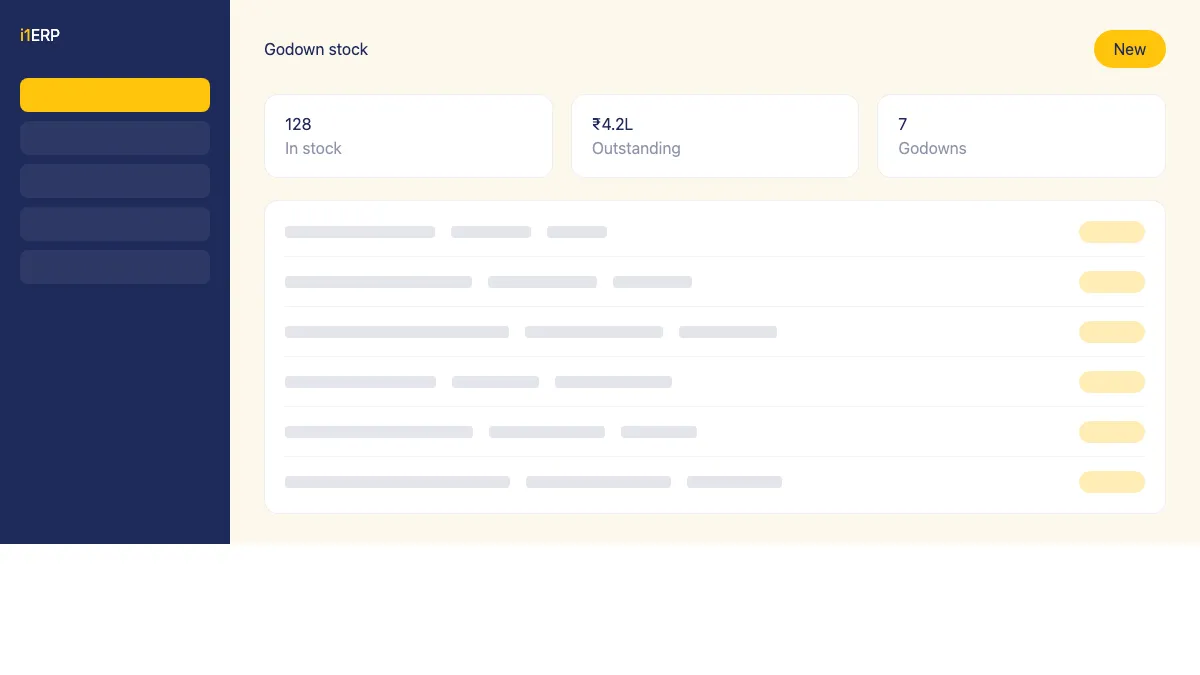
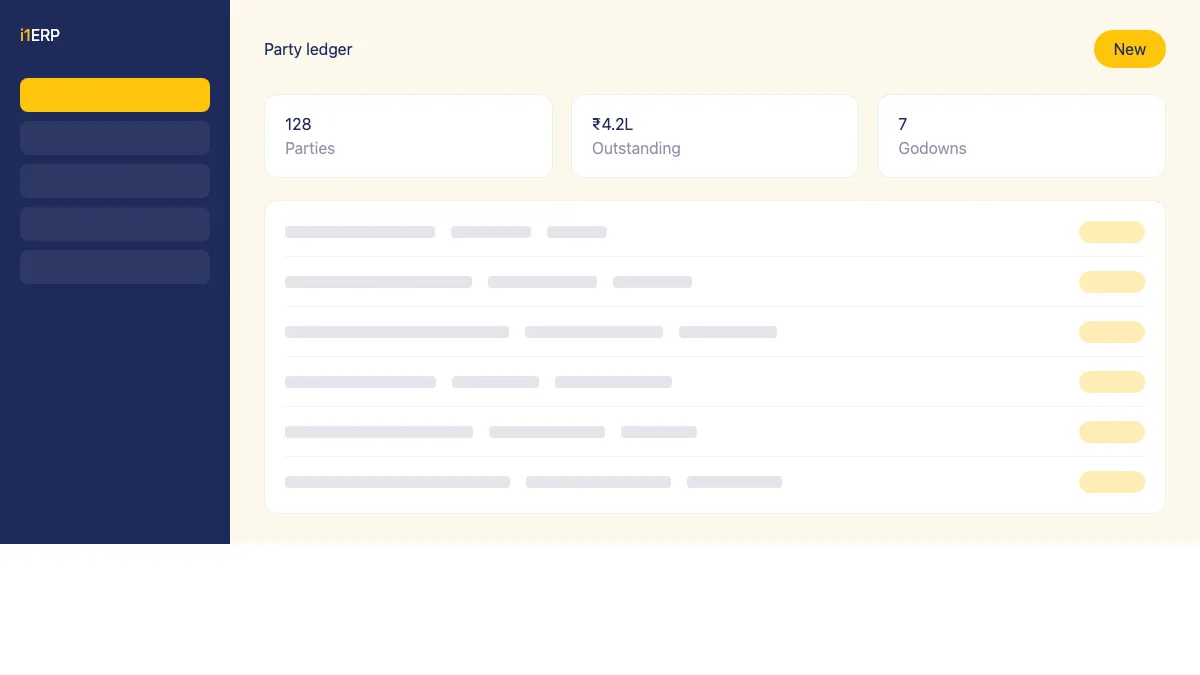
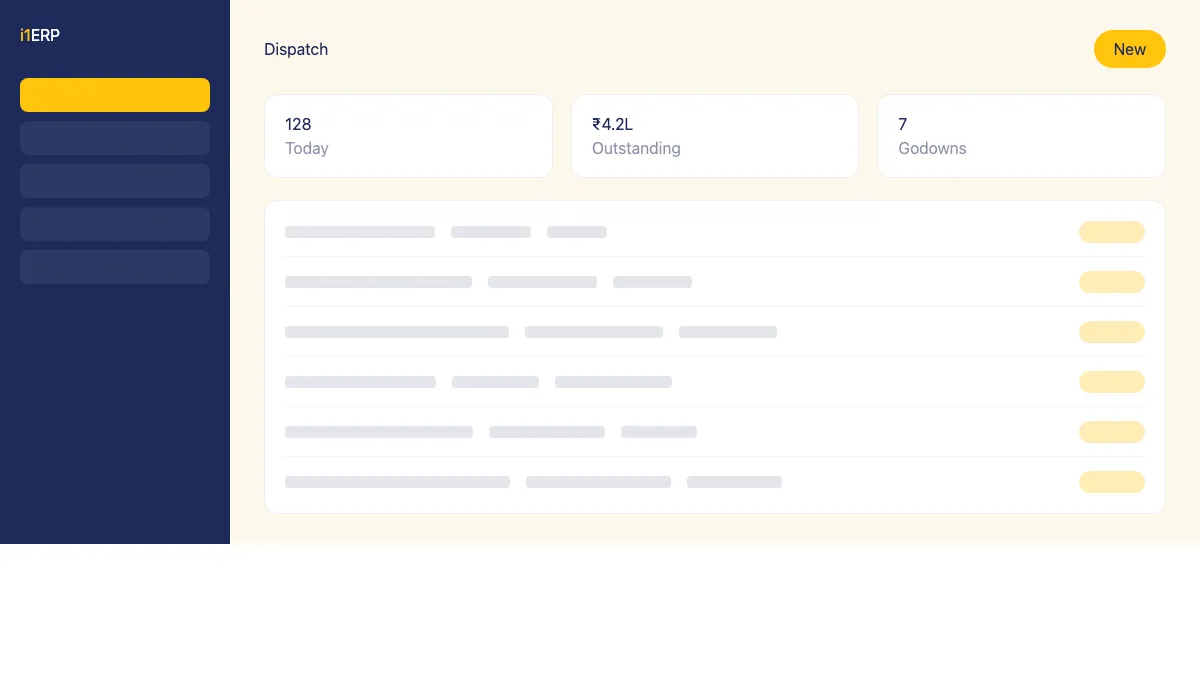
None of this is exotic. It is the same information you already keep, moved out of scattered files and into one place, where it stays current on its own.
Making the switch without the chaos
The fear is always the same: the changeover will be a mess, work will stop, and the team will hate it. It does not have to be, if you do it in the right order.
- Start with the one thing that hurts most, usually stock or outstanding, not everything at once.
- Move your real data in, not a demo. People trust a screen that shows their own godowns and parties.
- Run the old way and the new way side by side for a week, until the numbers match and nobody is nervous.
- Only then turn the spreadsheets off.
A short tour of the stock and dispatch screens
Where to start
You do not need a grand plan or a big budget to begin. You need the one report you wish you had every morning, and a week to see it built around your own business. Everything else can follow once the first screen is earning its place.
If that sounds like where you are, tell us the messiest part of your day. That is usually the right place to start.
Abhilash Purohit
Co-founder and Technical Architect
Abhilash spent over a decade on manufacturing shop floors, working next to sales, production, and every other department, before building ERPs full time. He designs how each i1ERP system fits together and makes sure it holds up once real work runs through it.
More insights.

Party credit, without the guesswork
Party credit that lives in someone's head is a risk you only feel when it goes wrong. Here is how to put limits and outstanding where everyone can see them.
Nikhil Joshi
Your ERP should change in days, not months
A business that cannot change its software cannot change itself. Why the speed of change matters more than the feature list.
Abhilash Purohit
Where Tally ends and your operations begin
Tally is good at what it does. It was never meant to run your godown, your dispatch, or your day. Here is the line.
Nikhil Joshi